Overarching Priorities
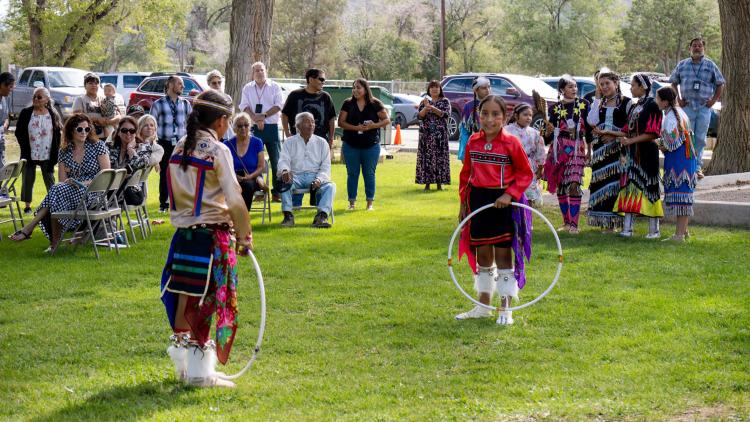
Cultural Identity and Language: The BIE will collaborate with tribes to support maintaining culture and language as part of education while providing resources for developing culturally appropriate curricula, including native language and culture programs.
Wellness: The BIE will implement comprehensive plans and protocols to ensure student safety, security, and well-being while addressing school safety concerns to create secure and supportive environments.
Student Success: The BIE will support the development of strategic thinkers and learners who can apply problem-solving skills in various contexts to empower students to successfully lead their sovereign nations toward a self-determined future.
Key Strategies
To achieve these priorities, 10 strategies guide the BIE’s actions:
- Revitalize and Maintain Cultures and Languages
- Partner with and support tribes, including tribal colleges and universities, to revitalize and maintain cultures and languages, as native language proficiency contributes to student well-being, outcomes and performance, sense of identity, and connection to tribal communities through immersion of heritage and traditions.
- Comprehensive Wellness Framework
- Implement a comprehensive wellness framework that includes students' physical, mental, emotional, cultural, safety, and social needs. Highlight and provide templates for school-based behavioral health and safety practices, protocols, and policies tailored for the BIE's student population.
- Future Readiness
- Emphasize career readiness and workforce development, including the integration of entrepreneurship and 21st-century skills.
- Educational Technology and Innovation
- Develop and implement a comprehensive plan to support technology and innovation in the organization, the workforce, and in teaching and learning.
- Comprehensive Framework for School Improvement
- Improve schools by focusing on the Four Domains for Rapid School Improvement: turnaround leadership, talent development, instructional transformation, and culture shift. Provide professional learning opportunities, expanded student learning opportunities, and responsive supports and interventions for students.
- Early Childhood and Postsecondary Partnership
- Continue to partner with early childhood development organizations, tribes, and postsecondary institutions, such as tribally controlled universities, to increase access and support.
- Communication and Outreach
- Engage in effective communication and outreach with all stakeholders, including tribal leaders, school board members, tribal education departments, and educators.
- Data Management System for Accountability and Support
- Develop, implement and maintain a comprehensive data management system to actively collect and analyze data with a real-time, strategic view of the data. Implement a system of accountability and support with guidance and training.
- Funding and Budget Alignment
- Ensure that funding and resources are allocated to support the BIE's mission and strategies, particularly in areas such as language programs, career pathways, vocational training, technology, and teacher recruitment and retention.
- Facilities Management Plan
- Develop a comprehensive facilities management plan to ensure the BIE facilities are well-maintained, safe, and conducive to the
educational success of its students. The transfer of facilities functions from the BIA to the BIE under Secretarial Order No. 3334 represents a significant opportunity for the BIE to enhance its facilities management practices.
- Develop a comprehensive facilities management plan to ensure the BIE facilities are well-maintained, safe, and conducive to the